
Eco conscious packaging
Eco conscious packaging starts with sensible material and ink choices, not guesswork. We help businesses move to more considered cartons and printed packs without losing print quality, shelf presence or practical performance.
What We Mean By Eco Conscious Packaging
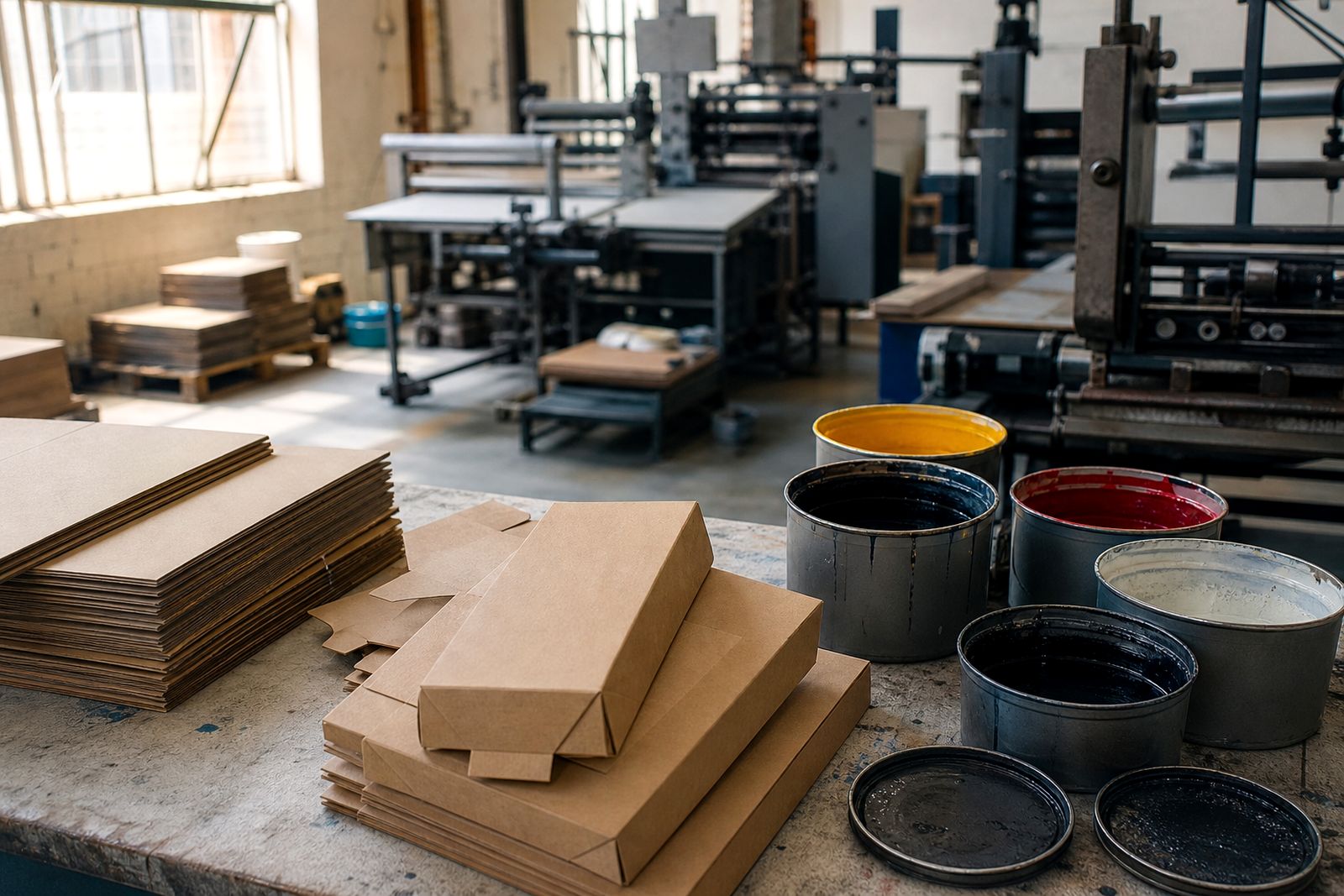
On this page, eco conscious packaging means packaging specified with lower impact options where the job allows. That can include recyclable paperboard, responsibly selected paper stocks, reduced plastic content, water based or lower odour ink systems where suitable, and designs that use material efficiently. We handle printed cartons and related packaging work from Durban for clients in KwaZulu-Natal and across South Africa, with despatch arranged nationally.
Not every product can use the same packaging format. Food contact rules, moisture exposure, shelf life, transport handling and retail display all affect what is practical. Our role is to guide you toward options that make sense for the product, the budget and the run length, while keeping the carton easy to pack, stack and deliver. In humid coastal conditions some substrates behave differently, so board choice and finishing matter more than people often expect.
- Printed folding cartons for retail products
- Short run and bulk packaging sleeves and outers
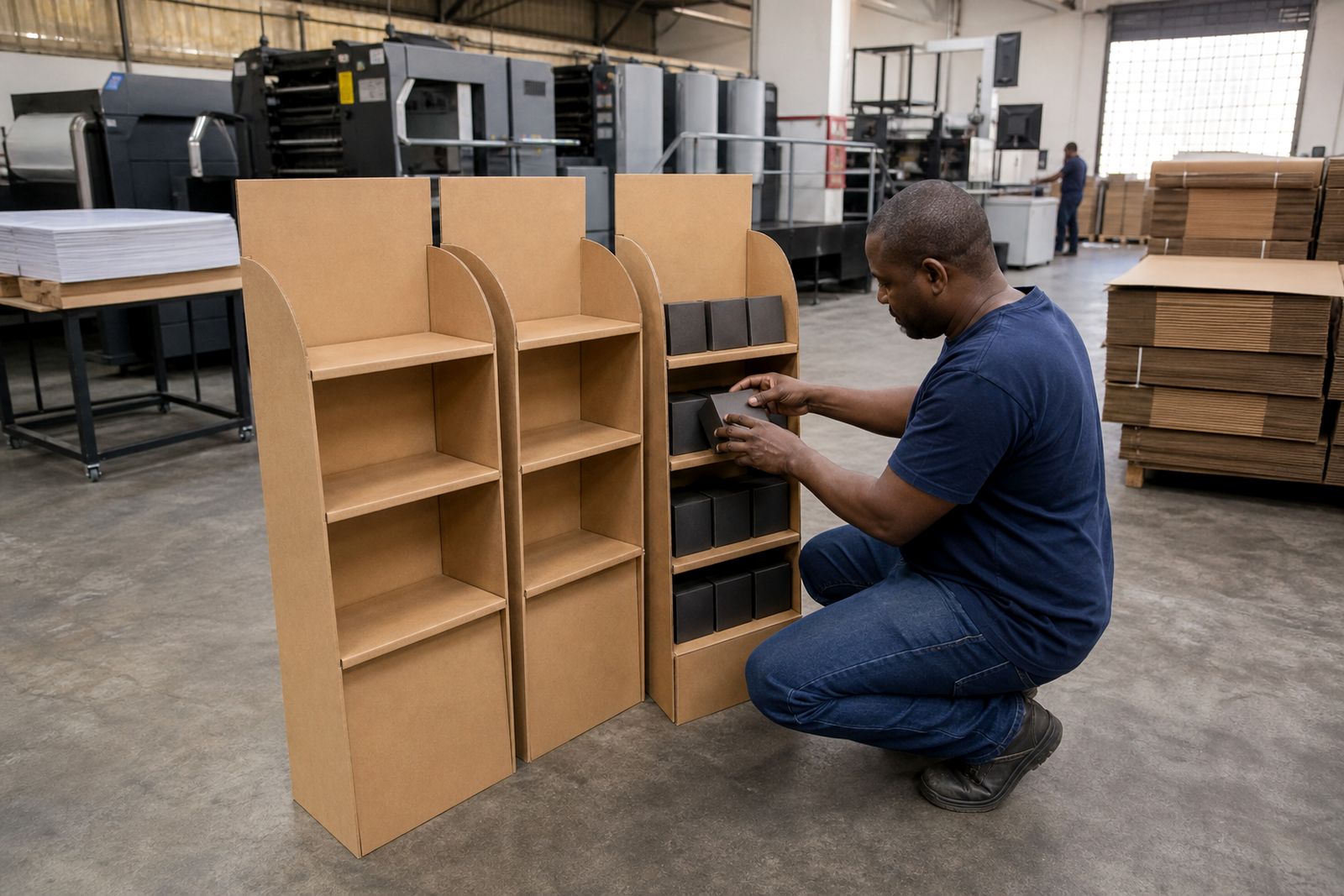
- Point of sale packaging with more considered material selection
- Cartons prepared for gluing, folding, packing and despatch
What Is Included In The Service
Our eco conscious packaging service covers more than printing alone. We review the carton style, board grade, print process, finishing method and packing plan before production starts. This helps avoid common problems such as scuffing in transit, weak folds, over specified material, or graphics that look good on screen but do not hold up well on an uncoated sheet.
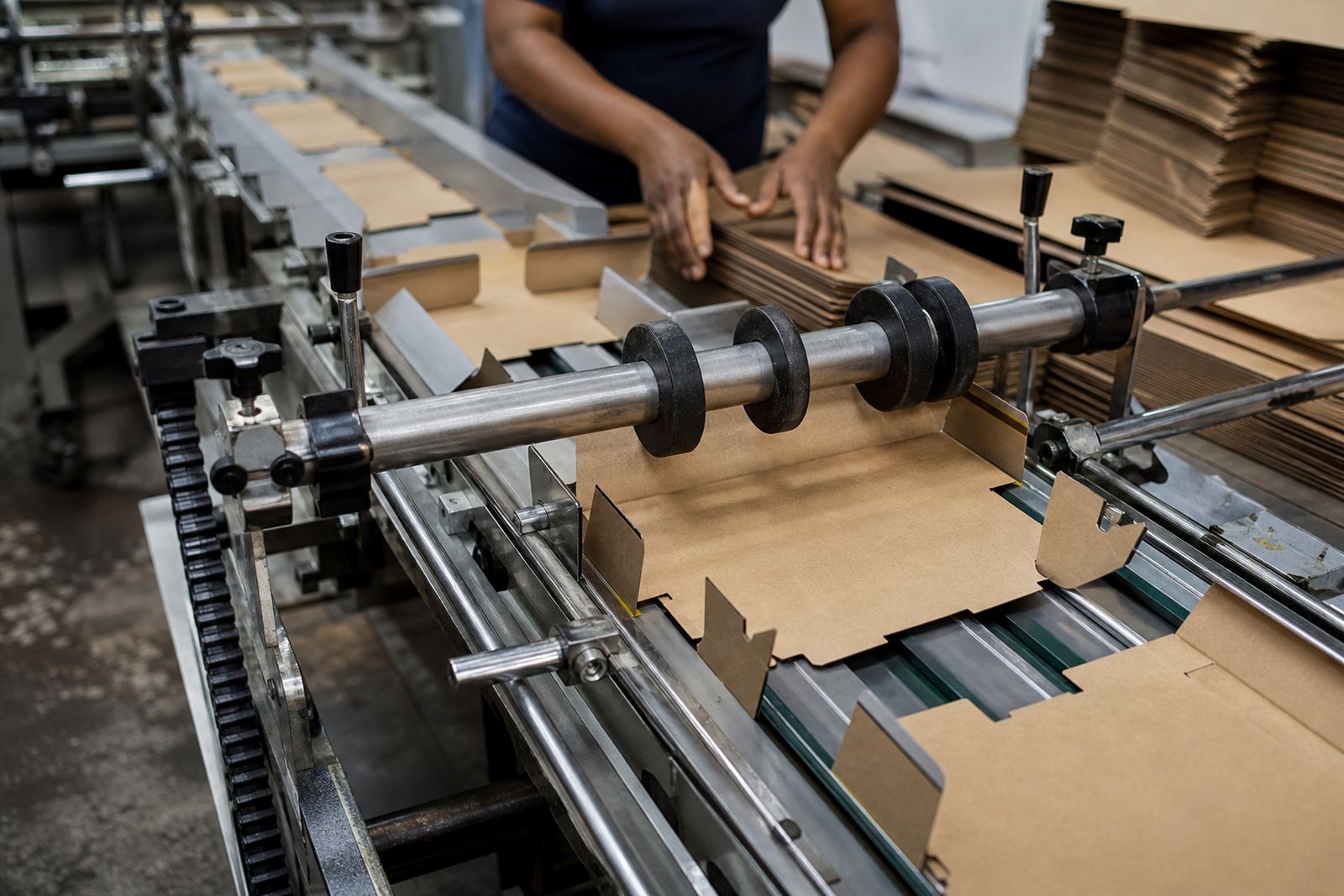
Depending on the job, production may use digital, lithographic or flexographic printing. Digital suits shorter runs and version changes. Lithographic printing suits higher quality carton work with strong colour control across volume. Flexographic printing can suit certain packaging formats where the material and print style call for it. We also include converting steps such as die cutting, crease rule setup, gluing and folding, then practical packing for despatch.
- Material guidance for cartons, sleeves and inserts
- Ink and finish selection suited to the application
- Die cutting, crease lines, folding and carton gluing
- Batch packing, labelling and national delivery by despatch
- Plain language feedback if artwork or structure needs changes
How The Process Works Step By Step
The first step is your enquiry through our contact page with the basic job details. We need to know what the product is, how the pack will be used, expected quantities, and whether you need a short run test before bulk production. If you already have artwork and a dieline, we review it against the intended material and packing method.
Next we confirm the carton style and practical specification. This includes board thickness, finish, print method, colour approach, glue areas and packing quantities. If needed, we can advise on a simpler structure that uses less material while still protecting the contents. Once the job is approved, production moves through print, finishing, die cutting, gluing and folding. Packed cartons are then bundled and prepared for collection or despatch.
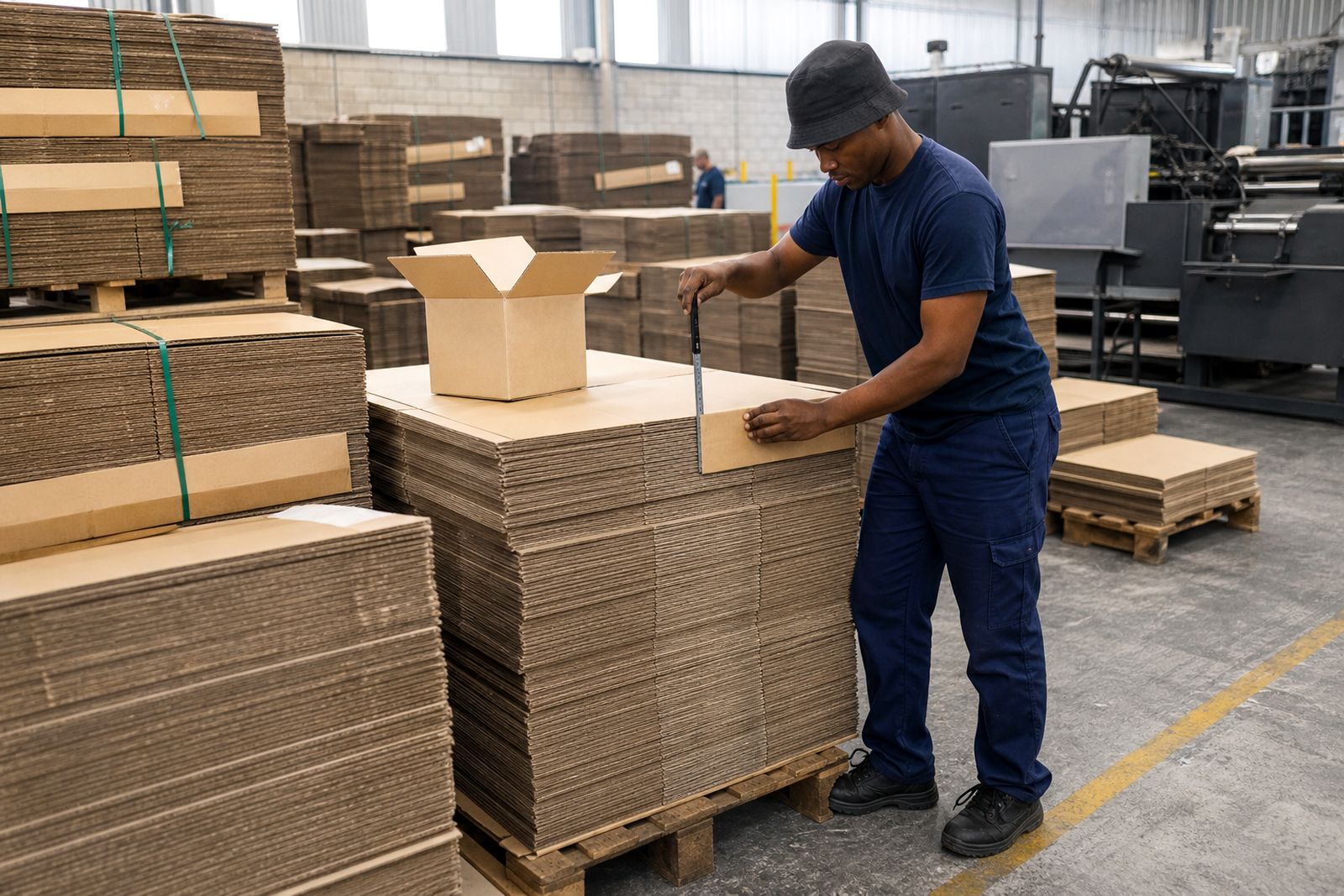
For clients sending goods throughout South Africa, we pay close attention to stacking strength and pack format. A carton that looks neat in the sample stage can still fail if it is overfilled, badly creased or packed too tightly, so that check is important.
What You Need To Prepare
Good packaging starts with accurate information from the client side. Before we quote and schedule the job, prepare the product dimensions, estimated packed weight, required quantity, and where the pack will be used. A shelf display carton in a dry retail store is very different from packaging moving through depots or sitting in a hot delivery vehicle. If the job must meet retailer packing rules or barcode placement requirements, tell us early.
- Final product dimensions in millimetres
- Target quantity and whether you need a test run first
- Artwork files with fonts outlined or supplied
- Dieline if already available, or samples of the current carton
- Colour expectations, finish preference and any legal copy
- Packing count per bundle or per outer if this matters to your stores team
If you are switching from a laminated or mixed material pack to a simpler board based format, allow time for checks. Some artwork needs adjustment because colours can read differently on natural or uncoated stocks and fine reversed text may need attention, especially on smaller cartons.
How Pricing Is Worked Out
Pricing is based on the full production requirement rather than only the printed sheet. The main cost factors are substrate choice, carton size, run quantity, number of colours, coverage area, finishing requirements, die cutting complexity, glue points, packing method and delivery destination. Short runs can be economical on one process while larger volumes may be better on another, so we assess the job as a whole before recommending the route.
Board grade and caliper make a noticeable difference. So do special finishes, ink coverage and whether the job needs hand packing or a more involved bundle method. National despatch is quoted according to destination, parcel size and how the finished cartons are packed for transport. For an accurate figure, send your specification through the enquiry form on our contact page and we will price the practical scope required.
- Run length and repeat frequency
- Board type, thickness and sheet size yield
- Print process and colour complexity
- Die tooling or existing tooling compatibility
- Gluing, folding and final packing requirements
- Delivery point within KwaZulu-Natal or elsewhere in South Africa
Aftercare, Storage And Use
After production, how cartons are stored and handled has a direct effect on performance. Keep packed cartons in a clean, dry area away from direct heat and damp floors. In coastal areas around Durban, humidity can soften some board grades if they are left open for too long, and that may affect squareness or glue hold. For best results, keep bundles wrapped until needed and rotate stock on a first in first out basis.
If your team packs product by hand, ask us about fold direction and easy opening points before the order goes into full production. Small setup changes can make a carton quicker to erect on the packing line. If you need repeat work later, keeping one approved sample from each run helps maintain consistency and avoids confusion, even when artwork updates are minor.
We aim for packaging that is practical first, looks tidy on shelf, and travels well through normal South African distribution channels.
What our Commercial Printing customers say
Verified Google reviews
Questions we get asked
Can all packaging be made with greener materials?
Not always. The product, moisture exposure, transport demands and shelf requirements all affect what is suitable. We recommend the most practical lower impact option for the job rather than forcing one material onto every application.
Is eco conscious packaging only for large runs?
No. Short runs can also use more considered materials and finishes. The best print method and board option depend on quantity, artwork, carton size and whether the job is a test run or a repeat order.
Do you deliver outside Durban?
Yes. We are based in Durban and serve KwaZulu-Natal, with packed orders sent by despatch to other parts of South Africa. Delivery timing depends on the job stage, packing method and destination.
Also worth a look
Ask for a quote
Send the print, packaging or branding details, sizes, quantities and delivery town through the contact form, and MGP Services will reply with a quote for the work.
Open the contact form