
Choosing between digital and litho
Digital and lithographic printing both have a clear place in commercial print work. The right choice depends on quantity, timing, finish, and how the job will be used once it leaves the factory.
Start with the quantity you need
The first question is usually the simplest one: how many copies do you need right now. Digital printing is often the better fit for shorter runs, test batches, versioned work, and repeat jobs where quantities change from one order to the next. Lithographic printing usually suits longer runs where the same artwork stays consistent and the unit cost becomes more favourable over volume.
For example, a few hundred flyers for a local promotion in Durban, personalised inserts for stores in different towns, or short-run labels for a product trial can often be handled digitally. A larger national leaflet drop, bulk brochure order, or ongoing carton sleeve job with stable artwork may be better on litho. If you are unsure, ask for guidance before final artwork is released because changing process late in the job can affect paper choice, finishing and delivery timing.
- Choose digital for short runs, pilots, local campaigns and variable versions.
- Choose litho for bulk quantities with one design repeated over many sheets.
- Review whether this is a once-off order or a job that will reprint regularly.
- Check if you need the full quantity at once, or in staged despatch batches.
Look at colour expectations and image detail
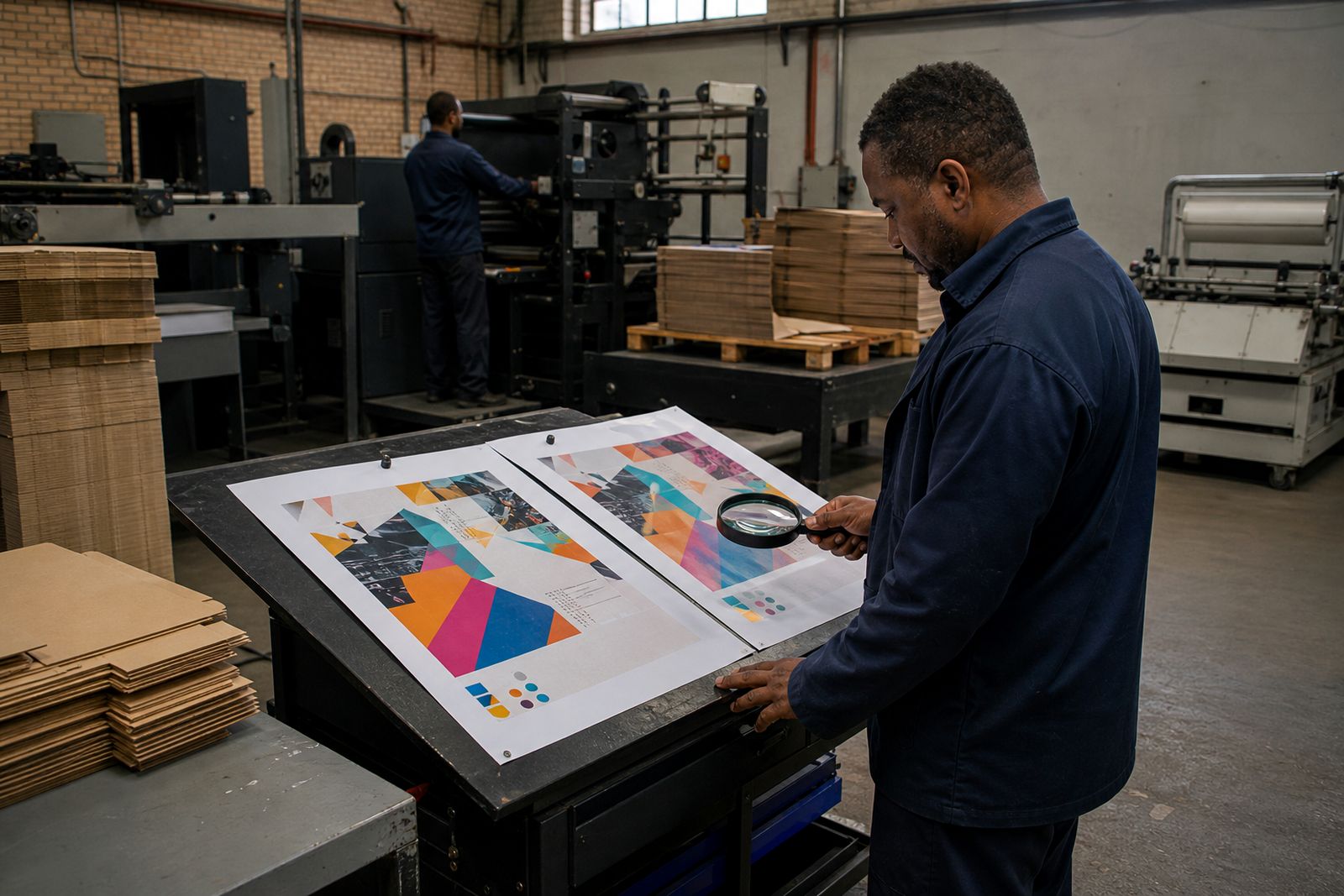
If colour consistency is a priority across a long run, lithographic printing is often the stronger option. It is commonly chosen for corporate brochures, presentation folders, packaging outers and marketing pieces where solids, tints and image reproduction need to stay steady from the first stack to the last. Digital printing can still produce very good everyday commercial results, especially for shorter runs, but the expected finish level should match the purpose of the piece.
Think about where the printed item will be seen. A handout used at a trade event, internal training manual, or short-term shop insert may not need the same print method as a premium product folder or a high-volume carton outer. Paper and board also matter. Some stocks react differently depending on the process, coating and drying time, so it helps to discuss the end use early, not only the artwork.
- For long-run brand colour control, litho is often preferred.
- For everyday print with good sharp text and fast turnaround, digital can work well.
- If the job includes heavy solids, fine images or critical matching, mention it upfront.
- Ask whether the chosen stock supports the finish you want.
Consider turnaround and delivery timing
When a deadline is tight, digital printing can offer a practical route because setup is generally quicker. This can help with last-minute event material, urgent replacement posters, updated price cards, or revised inserts where content changed after sign-off. For businesses working around promotions, courier cut-off times or municipal booking dates for displays, a faster start into production can make the difference.
Litho needs more preparation before sheets are printed, so it is usually planned where quantities justify that setup. Once the job is approved and scheduled properly, it remains a dependable choice for larger work. Timing should also include finishing, packing and despatch, not just print. A job that looks simple on paper can still need laminating, die cutting, gluing, folding and careful palletising before it leaves for Johannesburg, Cape Town, Gqeberha or inland KZN. That part gets forgotten sometimes.
If your deadline is linked to an exhibition build, store launch, or vehicle booking slot, mention the hard date at enquiry stage. It is easier to plan honestly from the start than rush a job later.
Match the print method to the product type
Not every printed item suits the same production route. Digital printing is regularly used for brochures, flyers, manuals, short-run catalogues, event handouts and variable marketing pieces. Lithographic printing is widely used for larger brochure runs, folder sets, posters, inserts, and board-based work where quality and quantity need to balance well.
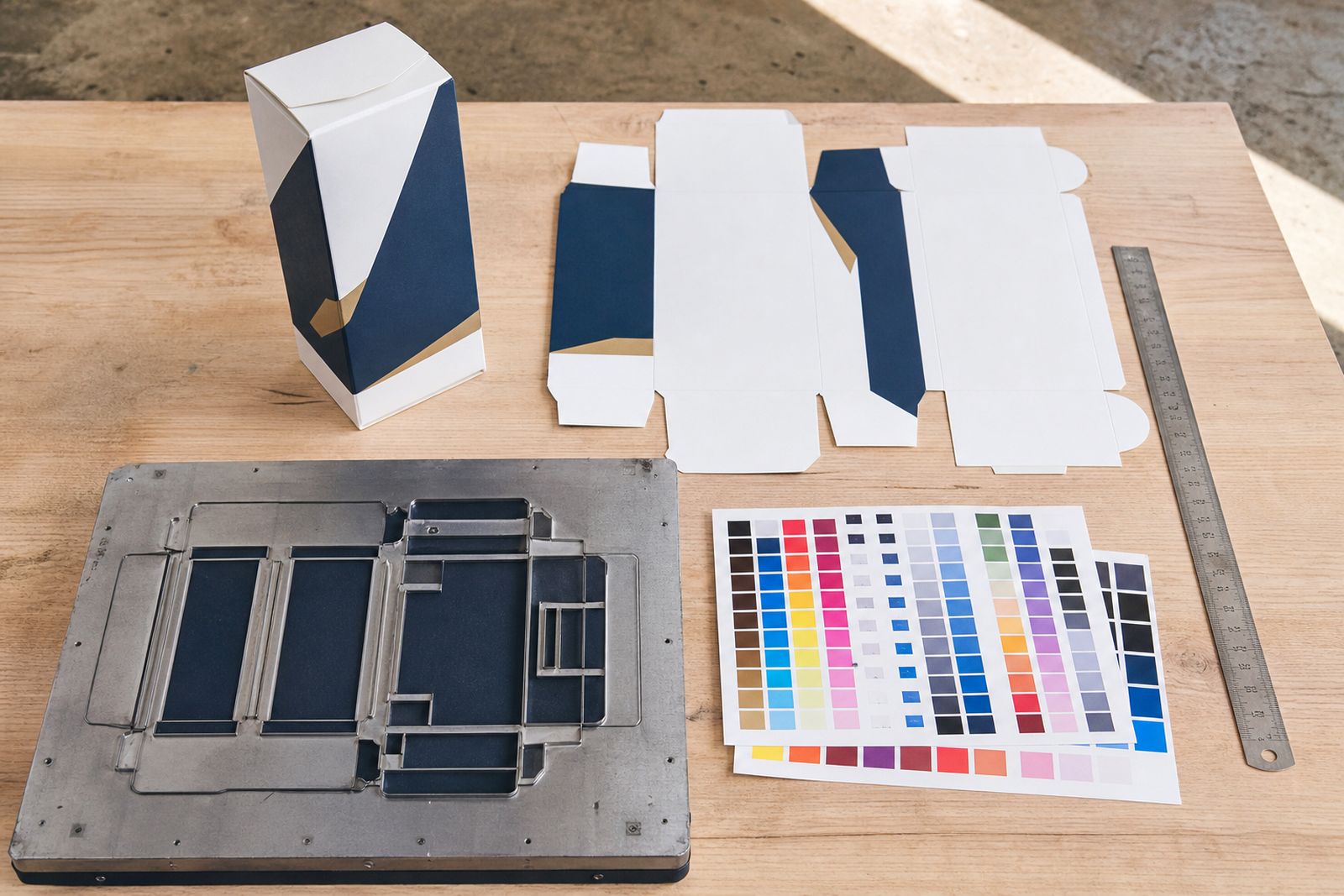
For packaging, the answer may depend on both quantity and construction. Cartons that need die cutting, folding and gluing can start with either digitally or lithographically printed sheets depending on volume and specification. If the packaging design is still being tested, a shorter digital run may help before committing to larger numbers. If the pack format is settled and demand is steady, litho often becomes the practical route. Flexographic printing may also be part of the wider discussion for selected packaging and label work where that process suits the substrate and application.
- Digital suits short-run brochures, inserts, manuals and versioned material.
- Litho suits bulk brochures, flyers, folders and repeated national campaigns.
- Cartons should be assessed by run size, board grade, finish and conversion requirements.
- For packaging trials, start with the end use and shelf conditions, then choose the print process.
Check finishing, folding and conversion needs
The print method is only one part of the job. Finishing can decide what is practical. If your work needs varnish, lamination, scoring, perforation, die cutting, crash lock construction, straight-line gluing or intricate folds, those steps must line up with the chosen print route and the stock being used. A carton for food service or retail display has different handling needs from a folded leaflet or counter card.
In KwaZulu-Natal, coastal humidity can also affect how some stocks handle during folding and gluing, especially when jobs move from production into storage or transport. Packaging that travels by despatch to drier inland areas should be packed properly to reduce edge damage and scuffing. Good finishing is not only about looks. It helps the printed item open properly, stack properly, and survive transport in workable condition.
Before approving the job, confirm whether samples, dummies or folded mock-ups are needed. This is espescially useful for cartons and point of sale work where assembly matters just as much as print quality.
A simple checklist before you send artwork
If you want a quicker recommendation, send the basic job details in one clear brief through the enquiry form. That allows the production team to suggest digital or litho based on actual use rather than guesswork. A short, practical brief usually saves time for everyone and reduces back-and-forth later on.
- State the final size, folded size if relevant, and page count.
- Give the quantity needed now and whether repeat orders are expected.
- Explain where the item will be used: shop, event, courier pack, shelf display, vehicle handout or direct mail.
- Mention the stock or board if already specified, or ask for guidance.
- List finishing needed such as lamination, die cutting, scoring, gluing or folding.
- Confirm the delivery town and whether the work must go by national despatch.
- Include the required date, especially for launch events and store roll-outs.
- Tell us if there are multiple versions, personalised text, or artwork changes by region.
When the brief is complete, it becomes much easier to recommend the print method that suits the job rather than forcing the job into the wrong process. That usually leads to better turnaround, fewer production issues and a cleaner result on delivery.
What our Commercial Printing customers say
Verified Google reviews
Questions we get asked
Is digital printing always cheaper for small quantities?
It is often more practical for shorter runs because setup is simpler, but the best option still depends on size, stock, finishing and delivery needs. Ask for a quote based on the full job spec.
Can cartons be produced with either digital or lithographic printing?
Yes. Many carton jobs can start with either process, depending on volume, board choice, finish and whether the design is still being tested before a larger run.
What should I send with my enquiry?
Send the quantity, size, artwork status, stock or board preference, finishing required, delivery town and your needed date through the contact page enquiry form.
Ask for a quote
Send the print, packaging or branding details, sizes, quantities and delivery town through the contact form, and MGP Services will reply with a quote for the work.
Open the contact form