
Planning vehicle and event branding
Vehicle branding and event branding do not work the same way, even when the logo and message are similar. This guide helps you plan both properly so the print fits the surface, the venue, and the job on the day.
Start with the job the branding must do
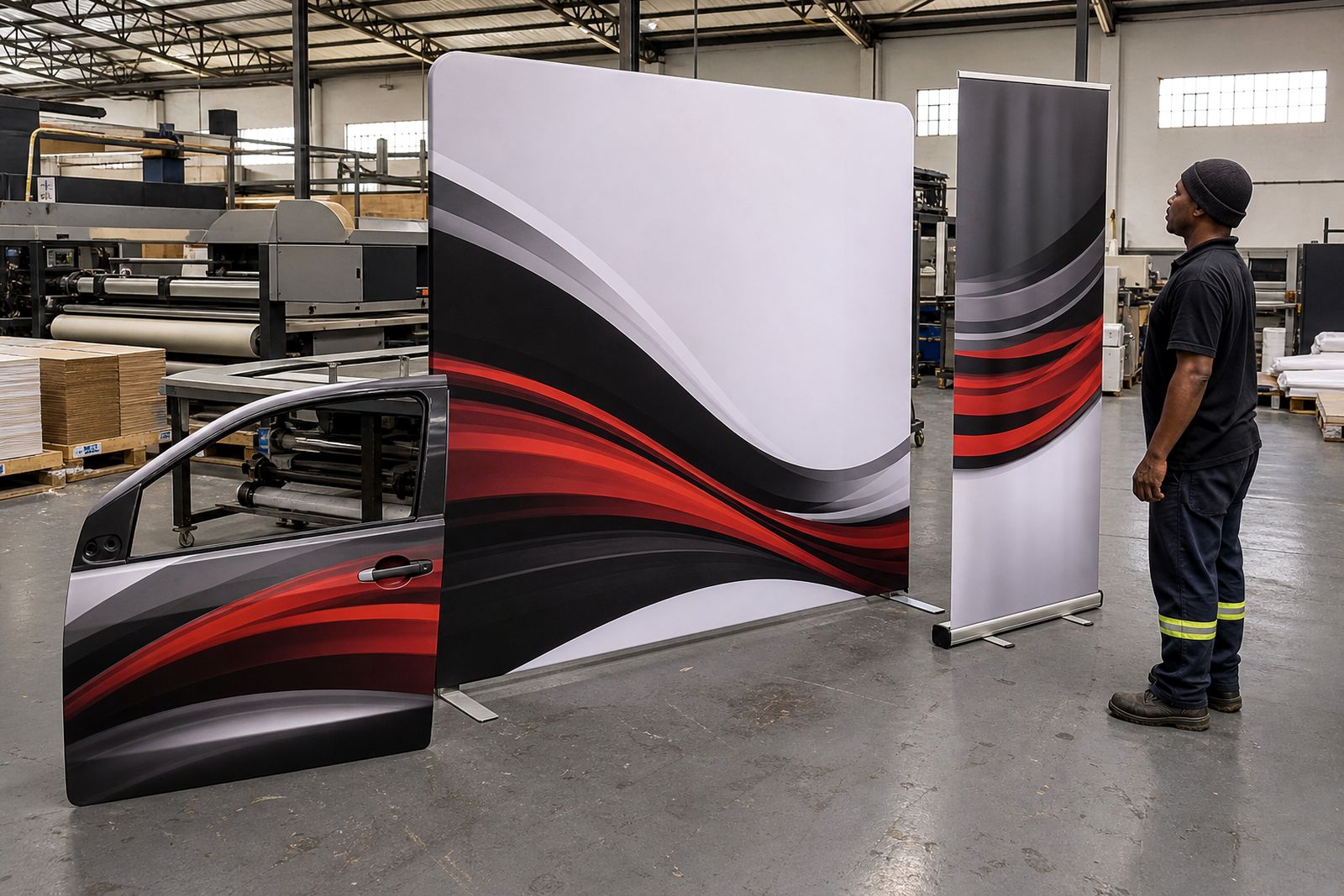
Before sizes, materials or artwork are discussed, decide what the branding must achieve. A delivery vehicle needs clear contact and service information that can be read in traffic and in parking areas. An event setup usually needs stronger visual impact at close range, with messages that work on a registration table, backdrop, gazebo, banner wall or point of sale stand.
It helps to separate mobile branding from venue branding early. Vehicles move, get washed, sit in sun and rain, and often have handles, hinges, curves and recesses that affect layout. Event graphics may only be used for a day or a weekend, but they still need to fit the venue rules, setup times and transport plan. A rushed job often fails because these practical points were left too late.
- List the main purpose: awareness, directions, product promotion, sponsorship presence or temporary event dressing.
- Choose the key message for each item, rather than trying to say everything at once.
- Decide where people will see it: roadside, car park, shopping centre, expo hall, school field or beachfront venue.
- Work out viewing distance so text size and image detail match the real use.
Plan vehicle branding around the actual vehicle
Good vehicle branding starts with the exact make and body shape, but the print plan should always be based on measurements taken from the vehicle being fitted. Side panels may look flat in a photo and turn out to have pressings, trims or fuel flaps that cut through important text. Rear doors often split logos or headlines if they are not planned properly.
For fleets, consistency matters. The same colour blocks, logo position and contact details should carry across bakkies, vans, panel vans and small cars, even when each body has different usable areas. Keep the layout clean enough to read quickly. Fine print and crowded service lists usually disappear once the vehicle is moving.
In Durban and along the coast, heat, rain and humidity affect fitting conditions and long term appearance. Surfaces must be clean and dry before application, and vehicles that work near salt air or industrial grime should be washed properly before fitment. If a vehicle is due for panel repairs or respray, sort that out first. Applying graphics to paintwork that is still curing can cause trouble later, and removal becomes harder than it needs to be.
- Measure both sides, rear and bonnet area if needed.
- Mark obstacles such as handles, hinges, windows, trims and number plates.
- Confirm whether you need spot graphics, partial wraps or larger coverage.
- Check where the vehicle parks overnight and whether fitting time may be affected by power cuts or weather.
Check venue rules before printing event items
Event branding often goes wrong because the print is approved before the venue rules are checked. Many venues have restrictions on banner sizes, hanging points, floor adhesives, setup hours and access for delivery vehicles. Outdoor venues add wind, uneven ground and possible rain. Indoor venues can limit height, flame behaviour requirements for some materials, and where freestanding units may be placed.
Ask for the venue brief early and read it properly. If branding is going into a municipal space, beachfront area, sports ground or public activation zone, there may also be local permissions, timing restrictions or rules about structures and walkways. These details affect not only the finished size but also how the item is packed, carried and installed.
- Confirm setup and breakdown times.
- Check maximum widths, heights and fixing methods.
- Find out if walls, windows, floors or poles may be used.
- Ask whether power points are available for lighting or display support items.
- Confirm delivery access, parking and whether goods must be moved by trolley or by hand.
A simple site checklist saves time later, and it avoids reprints because a panel was too wide for a lift or too tall for the hall entrance.
Prepare artwork for movement, distance and light
The same artwork rarely works perfectly across a vehicle, a gazebo wall and a pull up banner without adjustment. Vehicle branding is seen in motion and from different angles, so strong contrast and short messaging matter most. Event branding is often viewed while people are standing still, so there is more room for product detail, directional text or campaign information, but only if the hierarchy stays clear.
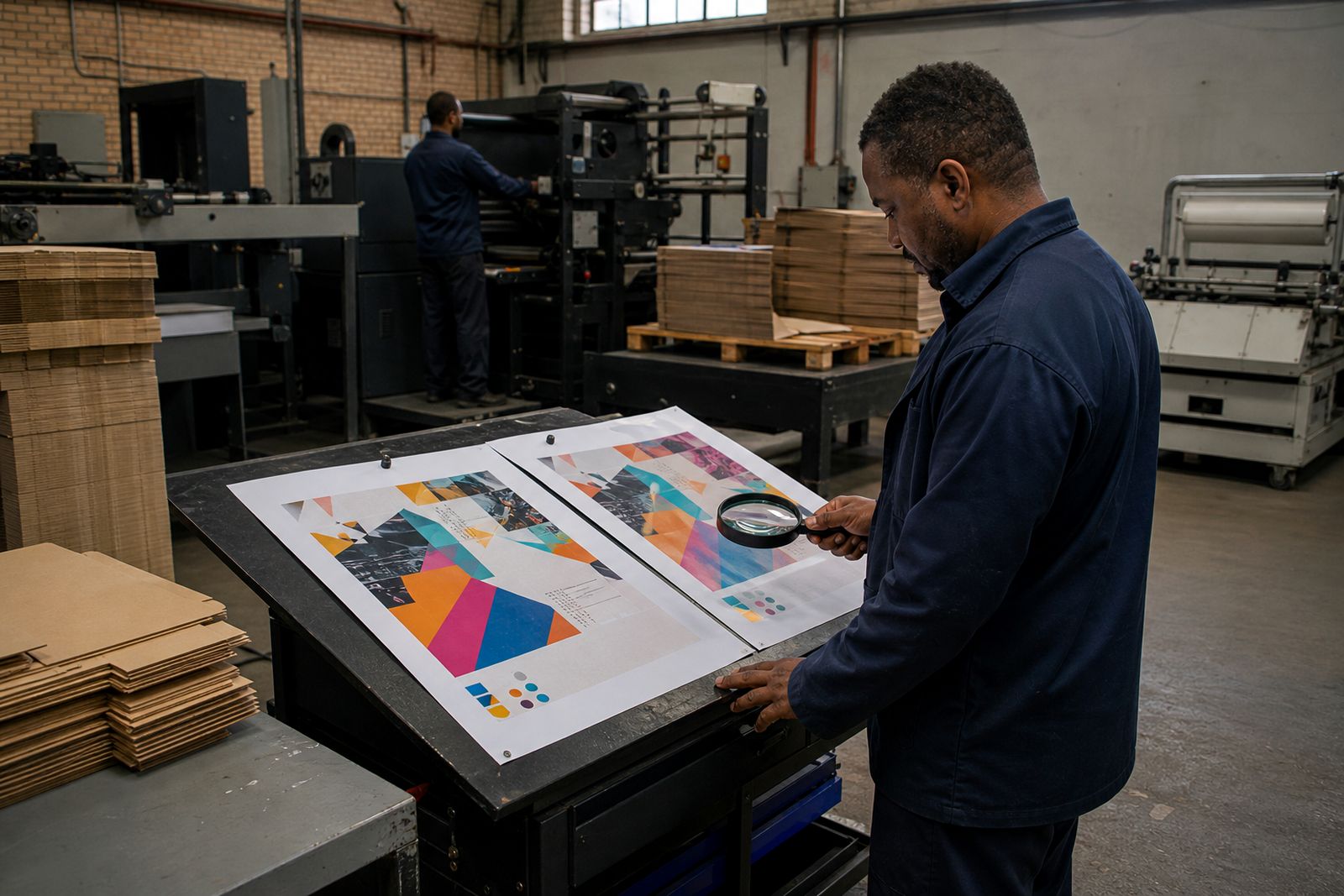
Use high quality logos and images, and supply artwork at the correct scale. Small files pulled from social media or office documents usually cause fuzzy print when enlarged. Colour should also be checked with the print process and material in mind. A shade that looks rich on a coated printed leaflet may appear different on a self adhesive film or outdoor banner material, so allow for practical matching rather than expecting every surface to behave the same.
For outdoor work in bright KwaZulu-Natal sun, avoid thin pale text on light backgrounds. Shadows, glare and distance reduce readability fast. For event backdrops used in photography, keep key logos and messages where they will not be blocked by people standing in front of them. It sounds obvious but this gets missed often.
Choose materials and finishing for the real conditions
Material choice should match use, duration and handling. Vehicle graphics need products suited to curved panels, weather exposure and regular cleaning. Event branding may include self adhesive graphics, banners, rigid display boards, table graphics, counter wraps and branded packaging for samples or handouts. The best option depends on whether the item will be used once, moved between venues or packed away repeatedly.
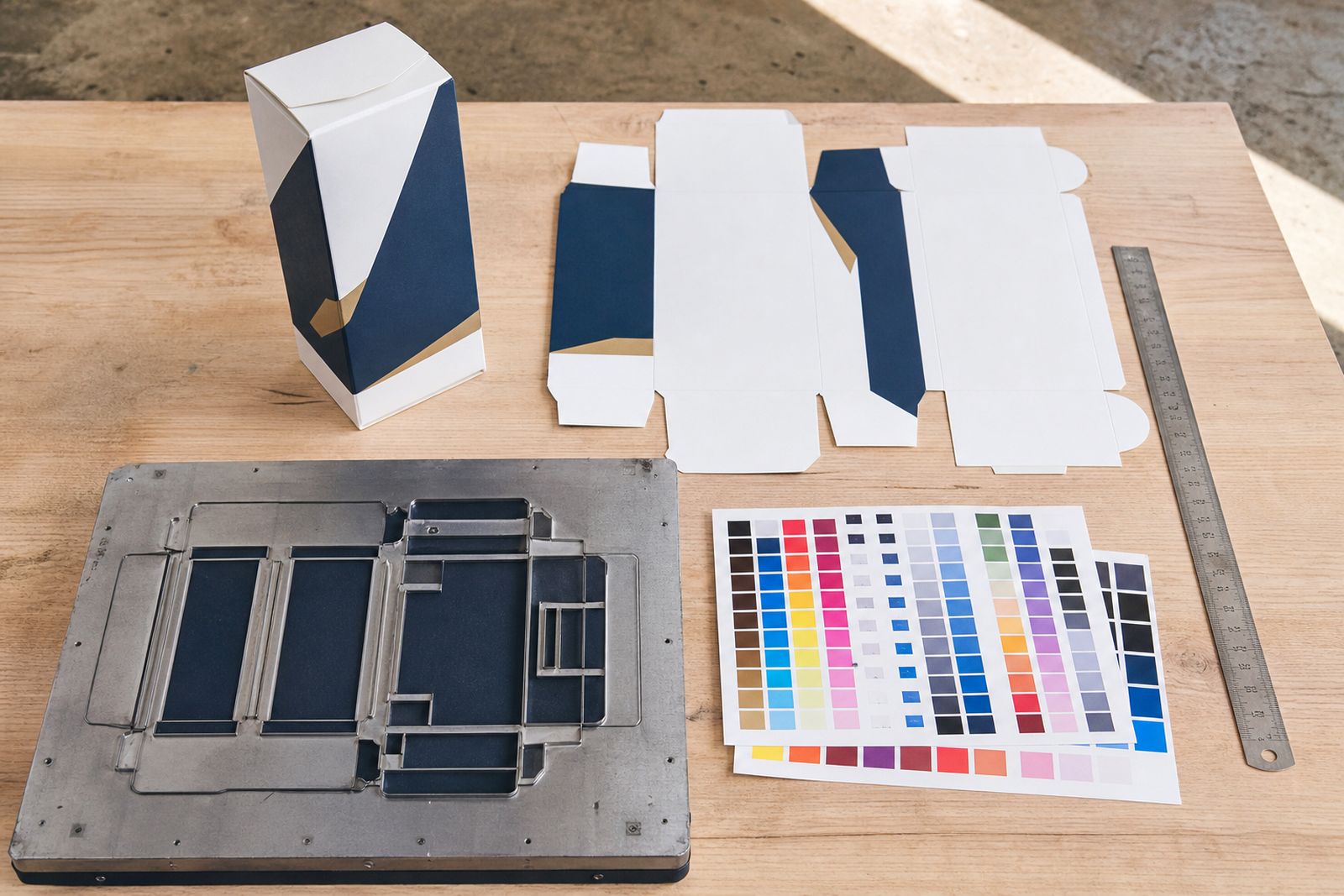
Finishing also matters. Lamination can help protect printed surfaces from scuffing and handling. Reinforced edges, eyelets, contour cutting, die cutting, folding and gluing may all be part of the final job depending on the display item or carton. For point of sale pieces and promotional packs, think about how they will stand, open, lock and travel before production starts.
- Choose materials for indoor or outdoor use, not just by appearance.
- Allow for wind, moisture and rough transport where relevant.
- Check whether items must fold flat, stack, or fit into a courier carton.
- For repeat events, ask for durable options that can be packed and reused.
Build a schedule for print, fitting and despatch
Turnaround is usually where pressure shows. A practical schedule should include artwork approval, print production, finishing, any test fitting, and delivery or installation. Vehicle branding often needs the vehicle off the road for a booking slot, so make sure operations teams know when it will be unavailable. Event jobs usually involve several pieces that must arrive together, packed clearly and ready for setup in the right order.
For clients outside Durban, national despatch works well when items are labelled properly and packed to suit transport. Flat panels, folded cartons, rolled banners and rigid display parts all need different protection. If there are multiple branches or event stops, split the shipment by destination and mark each carton clearly. This reduces confusion on site and saves time when crews are unloading under pressure.
- Approve final artwork only when vehicle details or venue details are confirmed.
- Book fitting dates and event deadlines with some buffer for weather or access delays.
- Pack by item type and destination.
- Include a simple contents list for larger event kits.
- Keep one contact route through the enquiry form so instructions stay in one place.
When the plan is done properly, branding looks better and the install goes faster. That means fewer last minute changes, less waste and a cleaner result on the vehicle or at the venue.
What our Commercial Printing customers say
Verified Google reviews
Questions we get asked
What information should I send for a vehicle branding quote?
Send clear photos of the vehicle, the town where fitting is needed, the quantity of vehicles, and a short note on whether you want simple decals, partial coverage or a larger wrap style application. If you already have artwork, include the files through the enquiry process on our contact page.
Can the same campaign artwork be used for both vehicles and events?
Yes, but it usually needs to be adapted. Vehicles need short messages and strong visibility from a distance, while event items can carry more detail and may need different panel sizes, fixing methods and material choices.
Do you handle packing and delivery outside Durban?
Yes. We serve Durban and KwaZulu-Natal and can arrange practical packing and despatch for branded print, display items and related materials across South Africa.
Ask for a quote
Send the print, packaging or branding details, sizes, quantities and delivery town through the contact form, and MGP Services will reply with a quote for the work.
Open the contact form